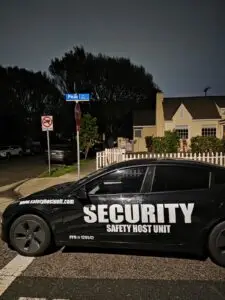
The Professional’s Guide to High-Stakes Employee Terminations: Mitigating Risk in Institutional Settings
Introduction: The High Cost of a Poorly Managed Termination
In the world of institutional management—whether it’s a university campus like UCLA, a corporate headquarters in Beverly Hills, or a residential facility—the process of terminating an employee is rarely “just business.” When that employee also resides on-site or has access to sensitive areas, the complexity of the separation increases exponentially.
For facility managers and HR directors, the primary goal is a clean break. However, without a professional security presence, a standard HR action can quickly escalate into a liability nightmare, workplace violence incident, or a PR crisis. This is where the role of a Private Patrol Operator (PPO) becomes the bridge between a volatile situation and a controlled transition.
The Unique Challenges of “Live-In” Employee Separations
One of the most delicate scenarios a security firm handles is the termination of a live-in employee. Unlike a standard office worker who can be escorted to the parking lot, a live-in employee’s personal life and professional life are physically intertwined with the institution’s property.
From a security perspective, this creates several immediate vulnerabilities:
- The “Gray Area” of Access: Does the employee have keys or fobs that grant access to student areas, labs, or executive suites?
- Possession vs. Occupancy: While the employment may be over, the legal right to occupy the residence might require a “civil standby” to ensure the individual vacates without damaging property or harassing neighbors.
- Emotional Volatility: Losing one’s job and one’s home in the same hour is a recipe for high emotional distress.
Safety Host Unit specializes in these “standby” details, providing a calm, authoritative presence that discourages escalation while maintaining the dignity of all parties involved.
Why Institutions Require Professional Security Interventions
Large-scale organizations often have their own internal security, but there are three specific reasons why third-party PPOs like Safety Host Unit are brought in for high-stakes terminations:
- Neutrality: Internal security often knows the individual being terminated. This personal connection can lead to hesitation or, conversely, unnecessary friction. A third-party officer provides a neutral, professional barrier.
- Documentation and Liability: Our officers provide detailed daily activity reports (DARs). In the event of a future legal claim or wrongful termination suit, having an objective third-party security log of the escort and exit is an invaluable asset for the institution’s legal team.
- Specific Training in De-escalation: The goal of a security escort isn’t to use force; it is to ensure force is never necessary. Verbal de-escalation is a core competency at Safety Host Unit. Our presence is designed to “lower the temperature” in the room.
Best Practices for a Secure Employee Escort
If your institution is preparing for a sensitive termination, a proactive security plan is essential. Here is the framework we recommend to our clients:
1. Pre-Termination Briefing
Before the meeting occurs, Safety Host Unit meets with HR to understand the individual’s history. Is there a history of volatility? Does the individual own firearms? Understanding the “threat profile” allows us to position our officers strategically—sometimes in the room, sometimes just outside the door to maintain a lower profile.
2. The “Clean Break” Escort
Once the news is delivered, the officer’s role is to facilitate the immediate collection of personal items and the surrender of institutional property (keys, laptops, IDs). This must be done efficiently but respectfully. We ensure the former employee is never left unattended on the premises, preventing “parting gifts” such as data theft or physical sabotage.
3. Facility Monitoring (The 24-Hour Watch)
In many cases, the risk doesn’t end when the employee leaves the property. Angry former employees may attempt to return under the cover of night. For institutions in high-traffic areas like Melrose or West Hollywood, we often recommend a 24-hour guard post for the first 24–72 hours following a high-risk termination. This ensures that entry points remain secure and staff feel safe returning to work the next day.
Compliance and the CA PPO Advantage
In California, hiring unlicensed “muscle” is a significant legal risk. Working with a licensed Private Patrol Operator (PPO #120547) ensures that the security personnel on-site are vetted, insured, and operating within the strict legal guidelines of the Bureau of Security and Investigative Services (BSIS). For an institution like a university, compliance is non-negotiable.
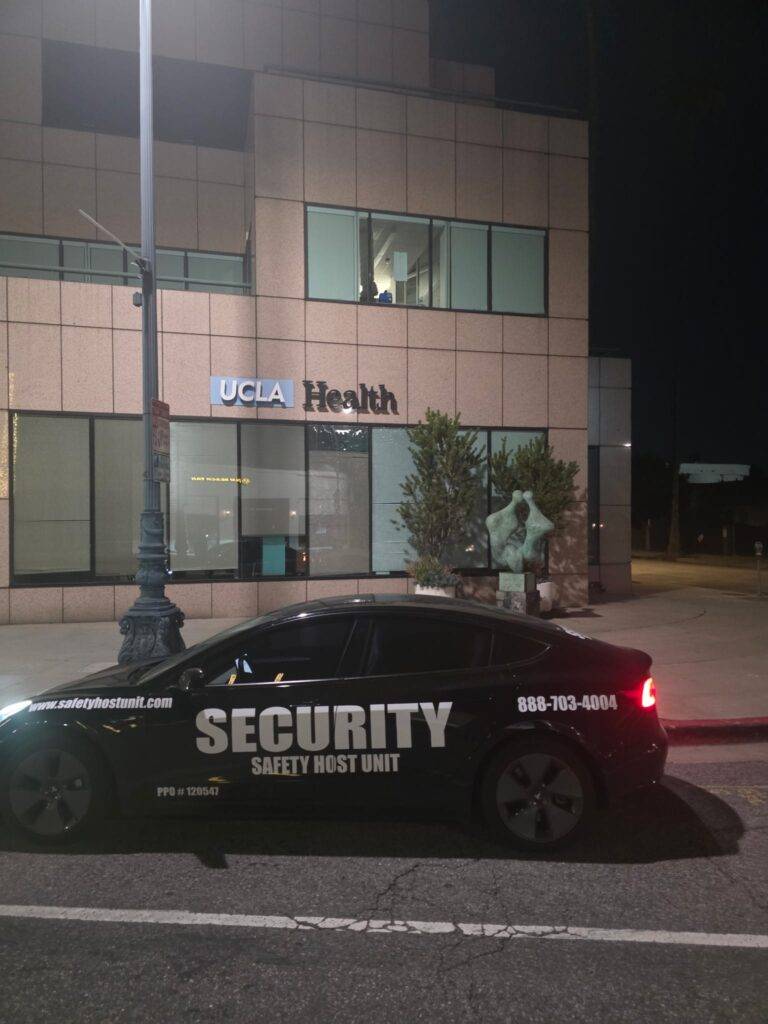
Conclusion: Partnering for Peace of Mind
A sensitive termination shouldn’t be a gamble. By integrating professional security into the HR process, institutions can protect their assets, their reputation, and, most importantly, their people.
At Safety Host Unit, we don’t just provide “guards.” We provide a strategic layer of protection that allows management to focus on the business of the institution while we handle the complexities of the perimeter. Whether it’s a 24-hour watch in Santa Monica or a discreet escort in West Hollywood, we are committed to the highest standards of institutional safety.