Discover the 2026 guide to Retail Security in Los Angeles. Learn about theft prevention, pricing factors, and how Safety Host Unit (PPO-120547) protects local businesses.
Introduction
The Growing Importance of Proactive Retail Security
Retailers are increasingly investing in training and development for their security personnel, equipping them with the skills to handle various scenarios—from shoplifting to emergency evacuations. By fostering a culture of vigilance and preparedness, businesses can empower their staff to act decisively and effectively, enhancing the overall safety of the shopping environment.
In addition to physical security measures, businesses should leverage technology to enhance their security posture. For instance, implementing mobile security applications can enable retail staff to report incidents in real-time, allowing for quicker responses and better coordination with law enforcement. This technological integration can serve as a force multiplier for existing security measures.
In recent years, the landscape of retail security has shifted significantly. Businesses are now recognizing that a reactive approach—one that only responds to incidents after they occur—is insufficient. Instead, the focus is shifting towards proactive strategies that anticipate and mitigate potential risks before they escalate. This shift is especially evident in bustling districts like Hollywood and Downtown LA, where high volumes of foot traffic create both opportunities and vulnerabilities.
Furthermore, the integration of community-based strategies can bolster security efforts. Collaborating with neighboring businesses to share information about suspicious activities and trends can create a more comprehensive security network. This community approach not only enhances protection but also fosters a sense of solidarity among local retailers.
The Importance of Retail Security
Furthermore, the psychological impact of security measures cannot be underestimated. When customers feel safe while shopping, they are more likely to spend time and money at a retail location. This relationship between security and customer behavior can be illustrated through case studies of various retail stores that adopted robust security measures, leading to increased foot traffic and higher sales figures.
Additionally, training programs for security personnel are vital in ensuring they are equipped to handle various situations effectively. Ongoing education on the latest theft prevention tactics, customer service skills, and emergency response protocols not only prepares security guards for real-world challenges but also enhances their ability to serve as a positive presence within the retail environment.
Furthermore, regular assessments of security strategies are crucial. Conducting mock drills and scenario training can prepare security personnel for real-life situations. By simulating various emergency scenarios, businesses can identify weaknesses in their security plans and address them proactively, ensuring a swift and effective response when actual incidents occur.
Retail security has become a critical aspect of business operations, particularly in high-traffic areas. As crime rates fluctuate, the need for effective security measures is more important than ever. A well-implemented retail security strategy not only protects the assets of a business but also enhances customer trust and satisfaction. For instance, stores with visible security measures often report a decrease in theft incidents, creating a safer shopping environment that drives customer engagement and sales.
Moreover, retail security can also encompass cybersecurity measures. With the rise of e-commerce and digital transactions, protecting customer data has become paramount. Retailers must ensure they have robust systems in place to safeguard against data breaches and cyberattacks, which can have dire financial and reputational consequences.
Moreover, integrating technology with physical security adds another layer of protection. For example, smart surveillance systems can alert security personnel to suspicious activities in real time, allowing for quicker responses. In areas like Downtown LA, where foot traffic is dense, combining human presence with advanced technology can dramatically enhance the effectiveness of security measures.
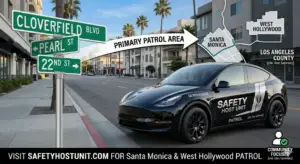
In 2026, retail security in Los Angeles is about more than just standing at a door; it is about creating a safe environment where commerce can thrive. As local shopping districts in Santa Monica, West Hollywood, and Beverly Hills evolve, so do the risks associated with high-traffic commercial zones. Business owners are moving away from passive observation toward a “prevention-first” model that prioritizes calm authority, intelligent deterrence, and professional visibility.
As we look to the future, the advent of artificial intelligence in security monitoring holds great promise. AI systems can analyze vast amounts of data to identify patterns and predict potential threats, allowing security teams to be one step ahead of potential incidents. Retailers who embrace such innovations will not only enhance their security but also improve overall operational efficiencies.
Why Physical Presence Outperforms Technology Alone
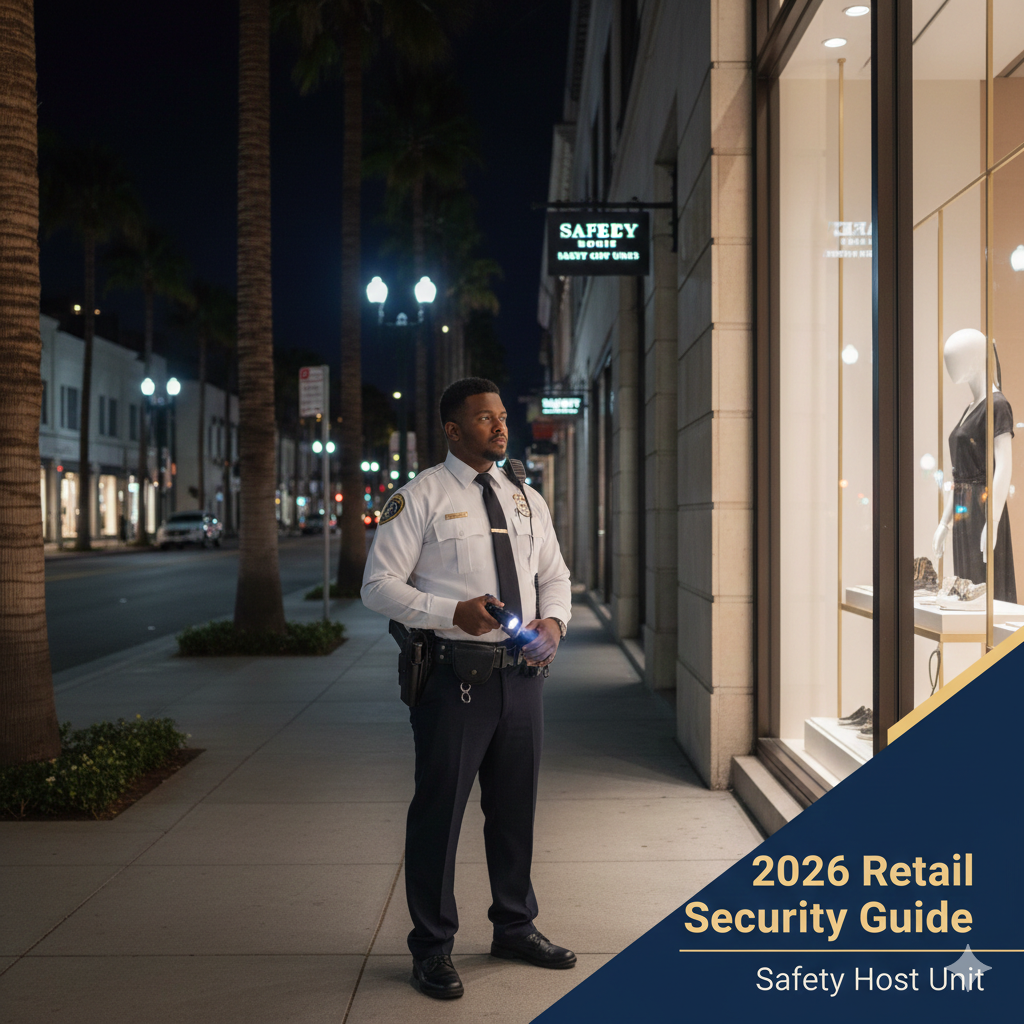
While cameras and AI sensors are helpful, they are often reactive—recording a crime rather than stopping it. Professional security guards provide a physical deterrent that technology cannot match, especially in high-density areas like Koreatown or Downtown LA.
Additionally, customer involvement in security can be beneficial. Encouraging shoppers to report suspicious activities can create a shared sense of responsibility for safety in retail spaces. Some retailers have successfully implemented ‘see something, say something’ campaigns that empower customers to play an active role in maintaining a secure environment.
Understanding the psychology of criminals can further empower retail security strategies. Criminals often target locations that appear vulnerable or lacking in protection. By maintaining a visible security force, retailers can deter potential criminal activity. In instances where security is less visible, strategic placement of signage indicating the presence of security personnel can also serve as a deterrent, thus enhancing the overall security framework.
The financial implications of retail security cannot be overlooked. Investing in a comprehensive security plan may seem daunting at first, but the costs associated with theft, property damage, and potential lawsuits can far exceed the investment in security measures. In the long run, businesses that prioritize security often experience higher returns due to reduced losses and improved customer loyalty.
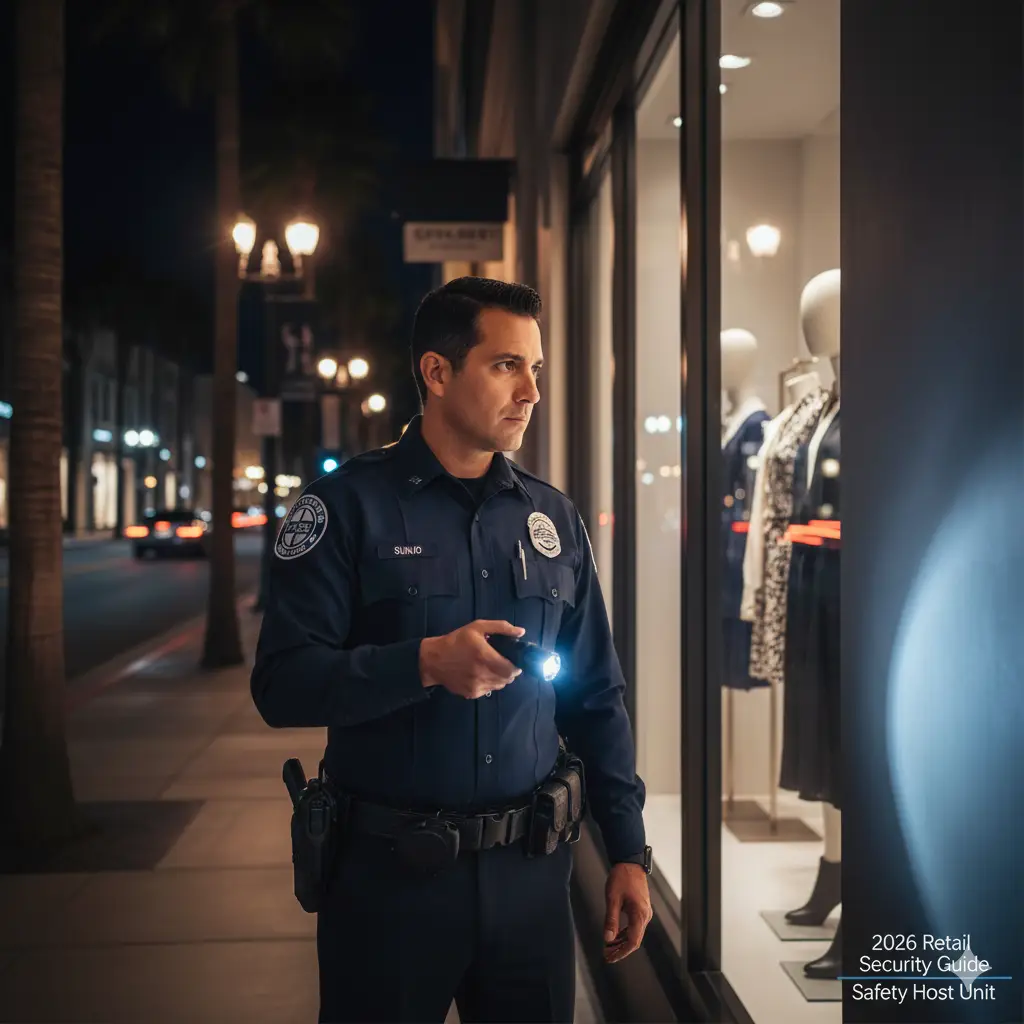
- Visible Deterrence: A disciplined, uniformed presence discourages theft and vandalism before they start by signaling that the property is actively monitored.
- Situational Awareness: Our licensed officers are trained to identify suspicious behavior patterns and “pre-incident” indicators that cameras might miss.
- Rapid Response: Unlike remote monitoring, human-led security can intervene immediately to de-escalate a situation or provide first-response assistance.
Moreover, engaging with local law enforcement and participating in community safety initiatives can further enhance security efforts. Retailers should consider hosting safety workshops or collaborating on crime prevention programs to foster a secure shopping environment. This partnership not only strengthens security but also builds trust within the community.
Furthermore, regular evaluations of security strategies help ensure that they remain effective as threats evolve. Retailers should conduct audits of their security practices and consider feedback from security personnel, employees, and customers alike. This collaborative approach can reveal gaps in security that may need to be addressed, ultimately contributing to a safer shopping environment.
Ultimately, a comprehensive approach to retail security involves combining multiple strategies—physical presence, technology, employee training, and community engagement—to create a fortified environment that protects both customers and business assets. By prioritizing security, retailers can cultivate a culture of safety that benefits everyone involved.
The Costs of Retail Security in Los Angeles County
Transparency in pricing is a top priority for LA business owners, and we believe in providing clear information to help you budget effectively for the year ahead.
As we look forward to the future of retail security, the integration of innovative technologies such as biometric sensors and AI-driven analytics will likely play a significant role in shaping security protocols. Retailers who embrace these advancements will not only enhance their security measures but also improve operational efficiency and customer experience.
- Armed vs. Unarmed Services: Armed guards are often the preferred choice for high-value retail locations, while unarmed guards provide excellent customer-facing deterrence for boutique and standard retail environments.
- Coverage Hours: 24/7 coverage or overnight industrial patrols in high-risk areas like Commerce or Pico Rivera require different strategic planning than standard business-hour security.
- Special Event & Holiday Scaling: Many retailers scale up their protection during the holiday season or during high-profile events in Hollywood and Beverly Hills to manage increased foot traffic.
The Safety Host Unit Standard
At Safety Host Unit, we believe security should protect your peace of mind without disrupting your customer’s experience. We are not just a service provider; we are a partner in your business’s longevity.
- BSIS Compliance: We are a fully licensed private patrol operator (PPO-120547), ensuring that all operations meet strict California legal and safety standards.
- Professional Discipline: Our guards are selected for their judgment and communication skills, ensuring they act as ambassadors for your brand while maintaining a secure perimeter.
- Founder-Led Accountability: Every retail assignment is backed by the standards set by our founder, who personally oversees quality control and field training.
Conclusion
The collaboration between law enforcement and private security firms is another critical component of effective retail security. Establishing strong relationships with local police can facilitate quicker responses to incidents and enhance the overall safety of the community. Creating a security network that includes local businesses can further strengthen these efforts, promoting a culture of safety that benefits everyone.
Ultimately, investing in retail security should be seen not just as a cost, but as an essential part of a business strategy aimed at ensuring longevity and success. By prioritizing safety, retailers can create an environment that not only protects their assets but also fosters customer loyalty and enhances brand reputation.
Don’t wait for a security breach to evaluate your protection plan. Whether you are managing a boutique in Santa Monica or a large-scale shopping center in the San Fernando Valley, a proactive strategy is your best defense against modern retail risks.